
 From Compulsion to Connection | In-Person | Friday, September 19, 2025 | 9:00 am to 3:00 pm | Presented by Laura Miller, LCPC, R-DMT.
REGISTER HERE!
FREE: 5 IDFPR CEU for LSW/LCSW, LPC/LCPC, Psychologists and IAODAPCA
SUMMARY
This six-hour workshop is tailored for clinicians who want to expand their understanding of Relationship Obsessive-Compulsive Disorder (ROCD), a subtype of OCD that involves intrusive doubts and compulsive behaviors centered around romantic relationships. ROCD can also extend beyond romantic relationships, affecting familial or work dynamics through similar patterns of doubt and compulsion. Participants will examine the defining features of ROCD, how it affects individuals and their partners, and effective approaches for treatment.
OBJECTIVES
By the conclusion of this workshop, participants will be able to:
- Identify the OCD cycle
- Define ROCD: Explain the features of ROCD and how it differs from other OCD subtypes and general relationship concerns
- Identify Symptoms: Recognize thought patterns and behaviors associated with ROCD, including persistent doubts about the relationship, the partner, and personal emotions.
- Understand the Effects: Explore how ROCD impacts individuals and their relationships, including potential emotional strain and relational conflict.
- Conduct Assessments: Use effective tools and methods to assess ROCD, distinguishing it from conditions like anxiety disorders and attachment issues.
- Introduce Evidence-Based Techniques: Gain an overview of key interventions from therapies like ERP (Exposure and Response Prevention) and ACT (Acceptance and Commitment Therapy). Learn 3 specific techniques to help clients manage intrusive thoughts and reduce compulsive behaviors.
- Address Partner Involvement: Discuss how partners can play a supportive role in treatment and strategies for including them in the therapy process.
- Conceptualize Treatment Plans: Understand the key features of effective treatment plans, including psychoeducation, practical interventions, and curated resources tailored for clients with ROCD.
- Identify interventions that can make OCD symptoms worse. Validation vs reassurance, co-ruminating.
- Identify When to Refer Out
- Prioritize Clinician Well-Being: Acknowledge the importance of self-care and professional support to prevent burnout and maintain effectiveness in treating ROCD.
Key Takeaways
Through this training, clinicians will gain a deeper understanding of the OCD cycle, in particular, ROCD, and learn practical approaches for addressing its challenges. Participants will leave equipped with actionable strategies and tools for improving outcomes for clients while fostering healthier relationships.
PRESENTER
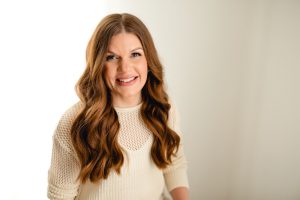
Laura Miller, MS, LCPC, R-DMT, is a licensed clinical therapist, private practice owner, group facilitator, and aerial arts enthusiast. She specializes in helping anxious minds transform fear and self-doubt into confident, purposeful action and healthier relationships. Through her unique blend of skills and passions, Laura connects deeply with her clients, empowering them to embrace their strengths and live boldly.