
 REGISTER HERE!
FREE: 5.5 IDFPR CEU for LSW/LCSW, LPC/LCPC, Psychologists, and IAODAPCA
SUMMARY
This transformative presentation guides participants through the complex landscape of shame—an emotion that shapes identity, relationships, and mental health, yet often remains hidden and unspoken. Drawing on the pioneering work of Carl Jung and contemporary neuroscience, the session explores how shame creates the shadow self, influencing behavior and perpetuating cycles of self-rejection.
Through vivid imagery, practical exercises, and compassionate guidance, attendees learn to recognize and integrate their shadow, transforming shame from a source of pain into a pathway for healing and authenticity. The presentation offers actionable strategies for therapists and individuals alike, including somatic grounding, vulnerability practices, self-compassion exercises, and guided imagery.
Participants will leave with a deeper understanding of shame’s origins, its impact on the psyche, and a toolkit for fostering resilience, connection, and wholeness. Whether you are a clinician, educator, or someone seeking personal growth, this presentation provides a roadmap for turning the darkness of shame into the gold of self-acceptance.
OBJECTIVES
- Define shame and distinguish it from guilt in psychological contexts.
- Explore the developmental origins and social factors contributing to shame.
- Analyze the impact of shame on mental health and trauma responses.
- Summarize Jung’s concept of the shadow self and its clinical relevance.
- Explain neurobiological mechanisms underlying shame and its physical manifestations.
- Illustrate the interactive cycle between shame and the shadow self.
- Identify evidence-based healing practices for addressing and transforming shame.
- Discuss the therapeutic importance of vulnerability, empathy, and compassion.
- Apply strategies for integrating shame resilience into personal and professional practice.
- Evaluate methods for reclaiming strengths and “harvesting gold” from the shadow.
PRESENTER
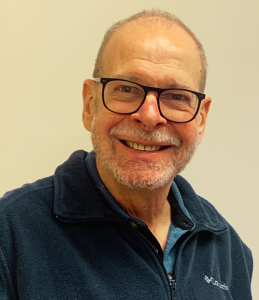 Gary Rukin, LPC, MA, MS, has worked in Community Mental Health for the past fourteen years. He serves as the Trauma-Informed Coordinator for the McHenry County Mental Health Board, and has presented trainings on Dialectical Behavior Therapy, Understanding Psychosis, Understanding and Treating Emotional Trauma, and Acceptance and Commitment Therapy for Thresholds, The Suicide Prevention and Mental Health Recovery Conference, Northwestern University Hospital, and the Illinois Department of Human Services.