 Turning Red Flags Into Recovery: Intervention Techniques for Alcohol Use | In-Person | Monday, April 21, 2025 | 9:00 am to 11:00 am | Presented by Erica Heatley, LCSW, CADC.
REGISTER HERE!
FREE: 2 IDFPR CEU for LSW/LCSW, LPC/LCPC, Psychologists, and IAODAPCA (pending)
SUMMARY
This presentation will outline effective strategies for addressing problematic alcohol use, focusing on non-judgmental communication, safety, and supportive intervention techniques like Motivational Interviewing (MI), Brief Interventions (BI), and Cognitive Behavioral Therapy (CBT). It covers referral options, community support, and managing resistance.
OBJECTIVES
- By the end of the presentation, attendees will be able to demonstrate at least two non-judgmental communication techniques to address alcohol use in role-playing scenarios.
- By the end of the session, attendees will be able to describe and explain how to implement Motivational Interviewing (MI), Brief Interventions (BI), and Cognitive Behavioral Therapy (CBT) strategies to address alcohol use in real-world situations.
- By the end of the presentation, attendees will be able to identify and describe at least three referral options and community support resources for addressing alcohol use in their professional practice
PRESENTER
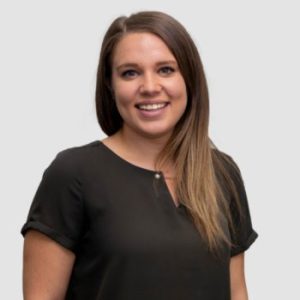 Erika Heatley, LCSW, CADC, is a clinical supervisor at Northern Illinois Recovery Center. She is a licensed Social Worker and a certified alcohol and drug counselor. She received her undergraduate degree from University Wisconsin- Whitewater with a degree in Psychology and a minor in Family and Health Studies. Erika also completed her Master’s of Social Work degree with a concentration in Mental Health and Addictions from Loyola University Chicago. Erika has experience working in outpatient services including partial hospitalization and intensive outpatient treatment in the fields of mental health, addictions and co-occurring treatment. Erika utilizes a person-center and holistic approach. Erika has a variety of experiences including biopsychosocial assessment, admissions and intake, insurance support and clinical services for the adult population in co-occurring mental health and substance use.