2026 Community Connections Summit Highlights

September 11, 2026

On September 11, 2026, community leaders, parents, first responders, public officials, and regional professionals gathered at McHenry County College for the 2026 Community Connections Summit, hosted by the McHenry County Mental Health Board. Guided by the theme “Building Community Through Conversations That Matter,” the day focused on moving past surface-level interactions to foster genuine, transformative human connection.

Through a bold, solutions-focused lens, participants explored crucial dimensions of personal and community well-being—examining what defines true, authentic connection, how to bridge the gap between simply being listened to versus being empowered to lead, and how to navigate the “grief gap” that opens between a past life and a current reality. Keynote speaker Shira Greenfield led the charge with her presentation, “One Conversation at a Time: Creating Connection in a Disconnected World,” centering on three core pillars: celebrating differences, finding common ground, and moving forward with purpose.

In addition to the main addresses, attendees connected with representatives from 45 local resource exhibits, engaged in hands-on collaboration, and gained actionable tools to drive positive change across McHenry County.

Below is the Keynote and Breakouts from this inspiring day of learning and connection.
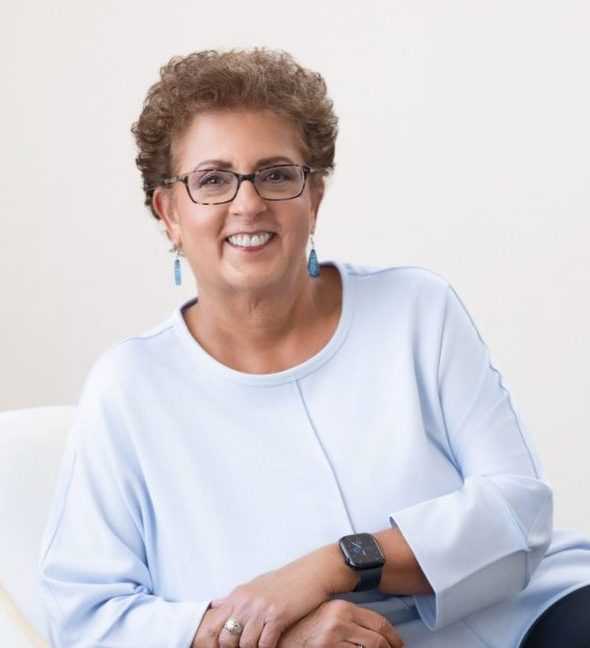
KEYNOTE SPEAKER

Shira Greenfield, LCPC

In her dynamic workshop, Shira showed participants how our relationships shape our healing, growth, and daily lives—and how they are built or broken one conversation at a time. After exploring how we connect and disconnect in the digital age, the group dived into recent research on loneliness to uncover the power of everyday communication. Moving beyond theory, participants walked away with practical, science-backed tools to start meaningful conversations, deepen connections, boost mental well-being, and transform individual and community health through simple, intentional outreach.

Breakout Sessions

Listening to Leading – Youth Voices/Community Impact
Young people are often asked for their opinions, but meaningful change happens when youth move beyond being heard and become partners in decision-making. In this training, participants explored how youth can influence programs, policies, and community initiatives while building stronger partnerships with adults. The session highlighted the McHenry County Youth Empower Alliance model and examined how communities can work together on the issues that matter most to young people.

Welcome to My Hype House: Helping Adolescents Build Safe and Connected Relationships
This breakout session introduced the “Hype House” framework, an engaging tool designed to help adolescents navigate trust, boundaries, and communication in their relationships. Attendees explored the model from the learner’s perspective while gaining practical, research-backed strategies to foster social-emotional learning in educational and therapeutic environments. The session equipped professionals with real-world activities to help young people recognize healthy relationship dynamics and practice reflective decision-making.

The Grief Gap: Beyond Acceptance — A Way Through the Space Nobody Names
Rather than treating grief as something to simply move past, this session explored “The Grief Gap”—the unspoken stage where people balance ongoing sorrow with newfound hope. The workshop reframed healing through theories like continuous bonds, showing attendees how to stay connected to those they have lost while building clarity, courage, and real-world resilience for the journey forward.

You Can’t Do Life Alone: Peer Support Matters
Centered on the power of shared lived experience, this workshop examined how peer support helps individuals navigate complex systems and everyday challenges. Participants will learn actionable ways to embed peer support into existing systems and community practices to strengthen recovery, build accountability, and foster sustainable connections.

Before the Crisis: Conversations That Build Safety, Trust, and Belonging
Communities often wait until pain becomes visible before they begin asking the most important questions. By then, disconnection, grief, shame, fear, and unmet need may have already taken root. This 60-minute session explored how meaningful conversations can become a form of prevention, healing, and community building. Drawing from clinical counseling, school-based crisis response, MTSS, community mental health, and post-crisis support, this session helped participants understand how trust is built before a crisis, how people communicate distress long before they say it directly, and how professionals across systems can create spaces where people feel seen, safe, and connected. The session also explored common communication breakdowns between schools, private practices, hospitals, families, and community providers. Participants learned how different systems often speak different languages, and how translating across those systems can reduce confusion, strengthen care, and improve outcomes for the people we serve. At its core, this session invited participants to consider one central question: What would change if we treated connection as infrastructure?

Connected by Conversation: When Communities Talk, Families Grow
As technology continues to shape the daily lives of children, adolescents, and families, there is a growing need for thoughtful, developmentally informed conversations that support healthy connection and well-being. This presentation examined the role of smartphones and digital media in family life, with attention to child and adolescent development, family functioning, and the ways community members can respond with curiosity, compassion, and practical guidance. Rather than focusing solely on the challenges of technology use, this session highlighted the opportunity for meaningful dialogue that strengthens relationships, promotes healthier habits, and builds shared understanding across families, schools, and communities. Participants left with a deeper appreciation for the importance of these conversations and concrete strategies to engage in ways that are both clinically grounded and relationally supportive. This session highlighted the power of meaningful conversation to support families navigating digital-age challenges. Participants left with practical, relationally grounded strategies to engage children, adolescents, and caregivers in open dialogue that fosters trust, connection, and healthier technology habits.

Supporting Youth and Families Impacted by Incarceration or the Justice System
We can provide a path back, with inspiration from IFS, Internal Family Systems, Narrative Therapy and Restorative Justice. This session provided knowledge and skills to better address the needs of children and families impacted by adversity to increase resiliency, connection and functioning.

Bigger Together: How Mentorship Creates Connection
Research shows that intentional connections are essential for mental health. In this interactive workshop, participants will explore how connections that once occurred organically can be intentionally created through mentorship. We will explore how these reciprocal relationships not only help youth thrive, but adults also develop patience, empathy, cultural competence, and rediscover joy and playfulness.

Nourishing the Family: Supporting Recovery Through Compassionate Conversations About Eating Disorders
Conversations about eating disorders can feel overwhelming for families, caregivers, educators, and professionals. Many people worry about saying the wrong thing, unintentionally reinforcing disordered behaviors, or creating conflict around food. This presentation provided practical, evidence-informed strategies for approaching these conversations with empathy, curiosity, and confidence. Grounded in weight-inclusive, family-centered care, participants learned how eating disorders affect the entire family system, recognize common communication pitfalls, and develop skills to foster connection while supporting recovery.

Sensory-Friendly Events: Building True Inclusion for Individuals with Autism and Developmental Disabilities
This session guided participants through creating sensory-friendly, inclusive events that go beyond basic accommodation and foster true belonging. Attendees learned practical, real-world strategies to support individuals with autism, sensory sensitivities, and developmental differences in community settings.

Pet Loss Bereavement
Nearly all pet owners consider their pets a part of the family, with just over half considering them as much a part of their family as a human member. When someone loses their pet, they can experience debilitating grief – unfortunately, not everyone in their life will understand the depth of this loss. This session discussed this kind of disenfranchised grief and gave the listeners concrete ways to work through the pain of loss.

Addressing Non-Belonging in Tech-Savvy Schools
This session explores the crisis of loneliness and isolation among students and educators, the consequences of non-belonging, and the urgent role schools play in cultivating healthy, authentic connection. Participants will examine how belonging functions as both a protective factor and a powerful social force that can be weaponized through extremist groups, harmful online communities, and unhealthy dependency on digital connection spaces such as AI chatbots.