Community Connections Summit 2026
BREAKOUT SESSIONS
Session I
Listening to Leading – Youth Voices/Community Impact | Panel: Alex Campbell, Edith Sánchez, and Brenda Napholz
Young people are often asked for their opinions, but meaningful change happens when youth move beyond being heard and become partners in decision-making. We will explore how youth can influence programs, policies, and community initiatives while building stronger partnerships with adults. We will highlight the McHenry County Youth Empower Alliance model and explore how we can work together on the issues that matter most to them.

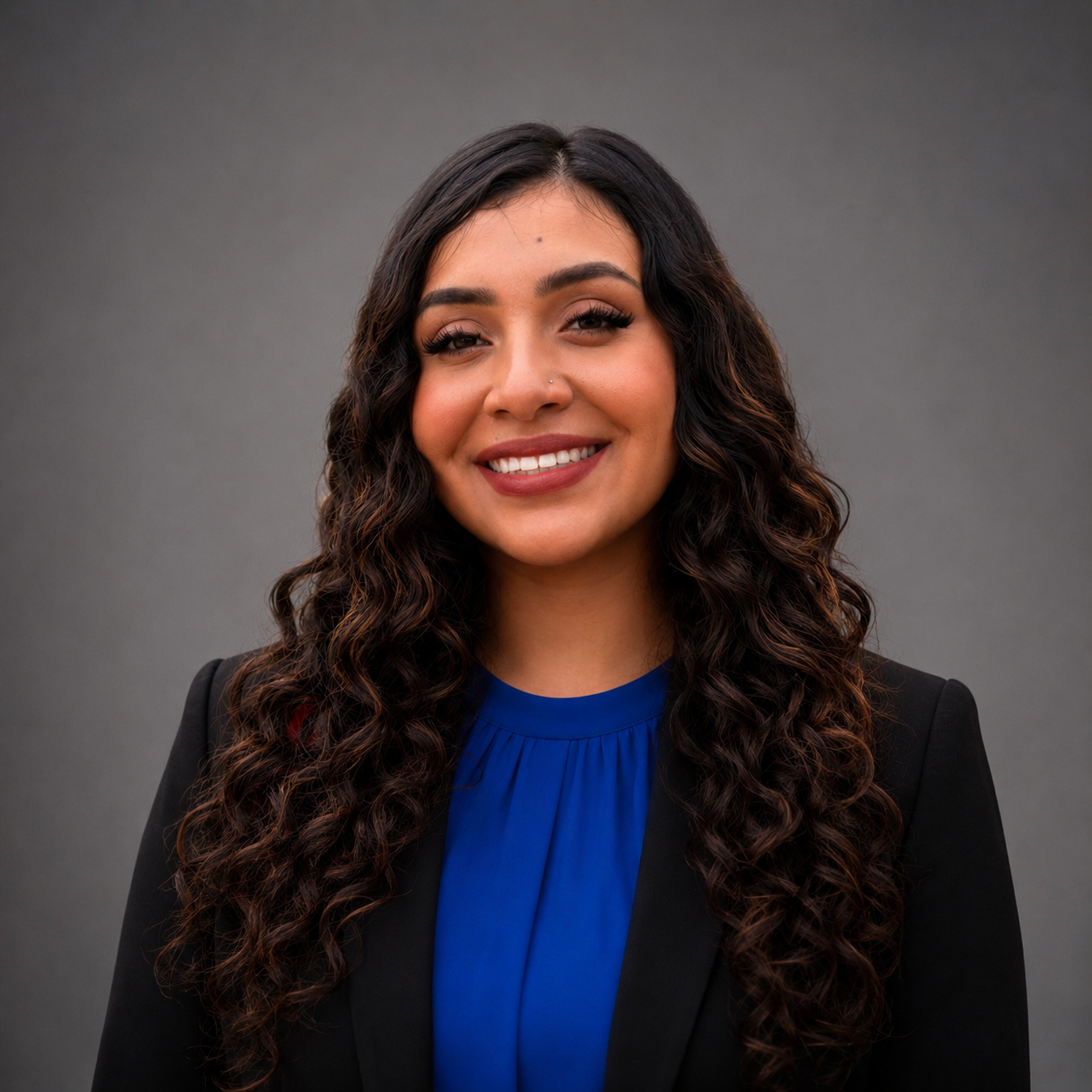
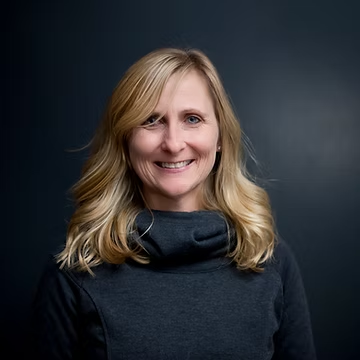

Welcome to My Hype House: Helping Adolescents Build Safe and Connected Relationships | Kristy Hinz, MA, LPC
The “Hype House” is a creative, interactive framework designed to help professionals teach adolescents about emotional safety, healthy relationships, and meaningful connection through the metaphor of a house. Using engaging discussion and experiential activities, the model supports young people in exploring trust, communication, accountability, boundaries, and authentic connection in a way that is accessible and developmentally appropriate. Participants are encouraged to reflect on who they allow into their “house,” how relationships influence emotional well-being, and why healthy connection requires both openness and boundaries.
In this breakout session, attendees will experience the Hype House framework from the learner perspective while also exploring strategies for implementation within schools, counseling groups, private practice, and other youth-centered settings. The session will provide practical tools, activities, and facilitation techniques that professionals can immediately adapt to strengthen social-emotional learning, foster community connection, and support adolescents in building safer and more emotionally attuned relationships. Participants will also examine how adolescents can use this framework to critically evaluate the qualities, patterns, and dynamics present in their interpersonal relationships. Emphasis will be placed on developing reflective decision-making skills that help adolescents identify healthy connection, recognize unsafe or imbalanced relationship patterns, and apply these insights to real-world social interactions.

The Grief Gap: Beyond Acceptance – A Way Through the Space Nobody Names | Lisa Orris
There is a gap nobody talks about. It is the space between the life you had before and the life you are somehow supposed to be living now. Between the grief you are still carrying and the hope you are not sure you are allowed to feel. Most grieving people live there — alone, in silence — because nobody has given them a name for it, let alone a way through it. For decades we have been told that grief ends in acceptance. But that word has done quiet, lasting damage to people brave enough to grieve honestly — because accepting that someone you love is gone can feel less like healing and more like resignation. In this workshop we will name what is really happening in the gap and explore the tools to navigate it: the difference between aspirational hope and adaptive hope, the continuous bond theory and why we never have to “let go” of our person, and how to build real resilience in the in-between. If you are grieving or are helping someone who is, this is not about getting better at grief. It is about learning to live in The Grief Gap with more courage, more clarity, and more hope than you thought was still available to you.
You Can’t Do Life Alone: Peer Support Matters – Nicole Moreno and Nancy Bernal
This session highlights the role of peer support in helping people navigate complex systems and everyday challenges. Participants will learn how connection, trust, and lived experience improve engagement and outcomes, along with practical ways to integrate peer support into their work and communities.

Session II

Connected by Conversation: When Communities Talk, Families Grow | Allison Kranich, MS, LCPC, CADC
As technology continues to shape the daily lives of children, adolescents, and families, there is a growing need for thoughtful, developmentally informed conversations that support healthy connection and well-being. This presentation will examine the role of smartphones and digital media in family life, with attention to child and adolescent development, family functioning, and the ways community members can respond with curiosity, compassion, and practical guidance. Rather than focusing solely on the challenges of technology use, this session will highlight the opportunity for meaningful dialogue that strengthens relationships, promotes healthier habits, and builds shared understanding across families, schools, and communities. Participants will leave with a deeper appreciation for the importance of these conversations and concrete strategies to engage in ways that are both clinically grounded and relationally supportive.

Supporting Youth and Families Impacted by Adversity, Including Involvement in the Justice System | Cheryl Niemo, LCSW
We can provide a path back, with inspiration from IFS, Internal Family Systems, Narrative Therapy and Restorative Justice. This session will provide knowledge and skills to better address the needs of children and families impacted by adversity to increase resiliency, connection and functioning.
Learn strategies and interventions to offer families during tumultuous and uncertain times. Increase your knowledge about the needs of youth and families coping with adverse experiences and how to better respond in an impactful way. Increase your competence and comfort in holding space for and walking alongside individuals and families in their most tender states. Discuss how to create a safe, respectful environment that offers hope and empowerment. Explore how language can help with the expression and processing and healing of the impact.

Before the Crisis: Conversations That Build Safety, Trust, and Belonging | Josh Novick, MA LPC
Communities often wait until pain becomes visible before they begin asking the most important questions. By then, disconnection, grief, shame, fear, and unmet need may have already taken root. This 60-minute session explores how meaningful conversations can become a form of prevention, healing, and community building. Drawing from clinical counseling, school-based crisis response, MTSS, community mental health, and post-crisis support, this session will help participants understand how trust is built before a crisis, how people communicate distress long before they say it directly, and how professionals across systems can create spaces where people feel seen, safe, and connected. The session will also explore common communication breakdowns between schools, private practices, hospitals, families, and community providers. Participants will learn how different systems often speak different languages, and how translating across those systems can reduce confusion, strengthen care, and improve outcomes for the people we serve. At its core, this session invites participants to consider one central question: What would change if we treated connection as infrastructure?
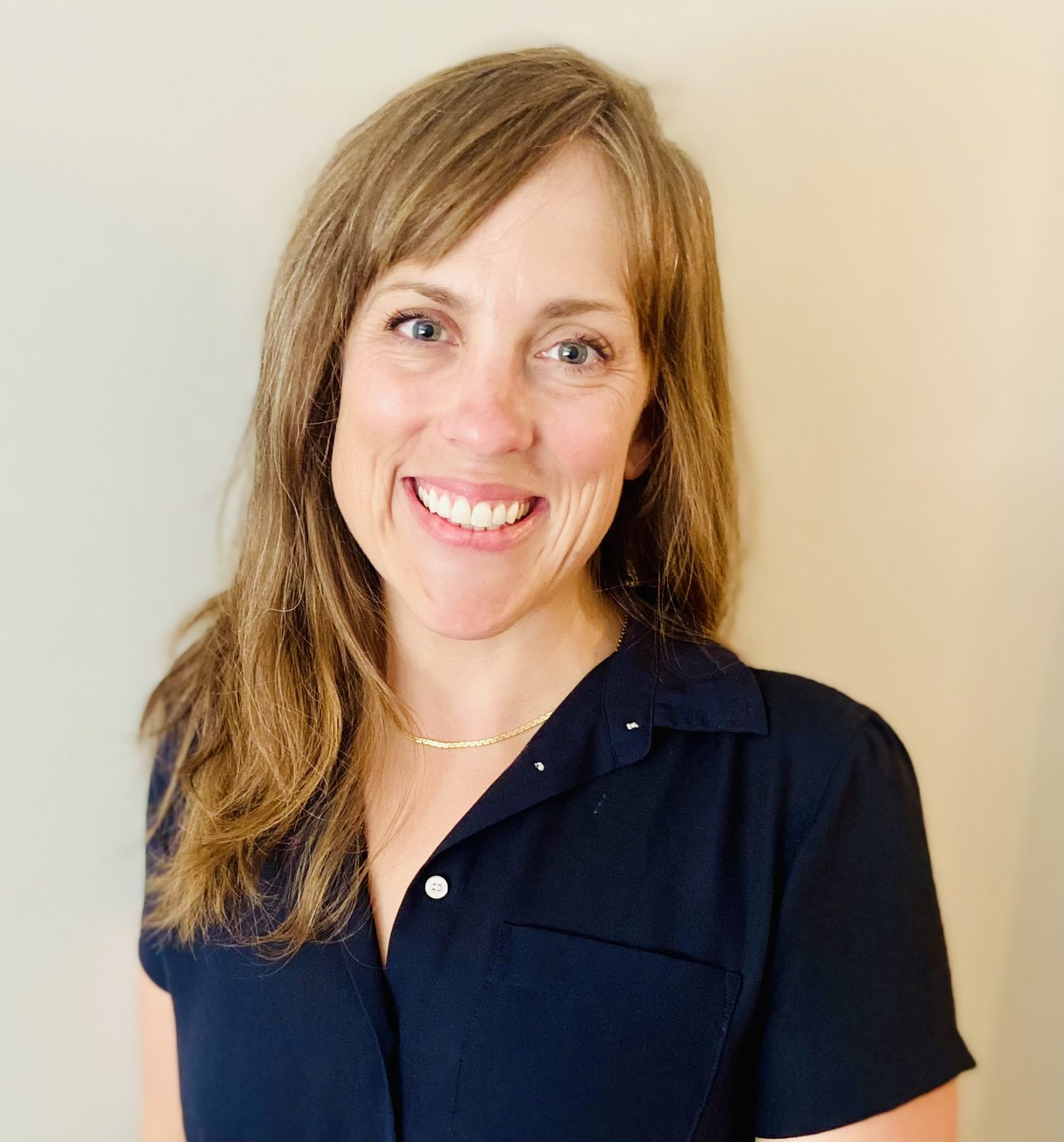
Bigger Together: How Mentorship Creates Connection | Anna Buckingham
Research shows that intentional connections are essential for mental health. In this interactive workshop, participants will explore how connections that once occurred organically can be intentionally created through mentorship. We will explore how these reciprocal relationships not only help youth thrive, but adults also develop patience, empathy, cultural competence, and rediscover joy and playfulness.
Session III

Pet Loss Bereavement | John Mysz, LCSW, VSW
Nearly all pet owners consider their pets a part of the family, with just over half considering them as much a part of their family as a human member. When someone loses their pet, they can experience debilitating grief – unfortunately, not everyone in their life will understand the depth of this loss. This session will discuss this kind of disenfranchised grief and give the listeners concrete ways to work through the pain of loss.
Sensory-Friendly Events: Building True Inclusion for Individuals with Autism and Developmental Disabilities | Linda Lynn and Lizzy Lynn
This session will guide participants through creating sensory-friendly, inclusive events that go beyond basic accommodation and foster true belonging. Attendees will learn practical, real-world strategies to support individuals with autism, sensory sensitivities, and developmental differences in community settings.
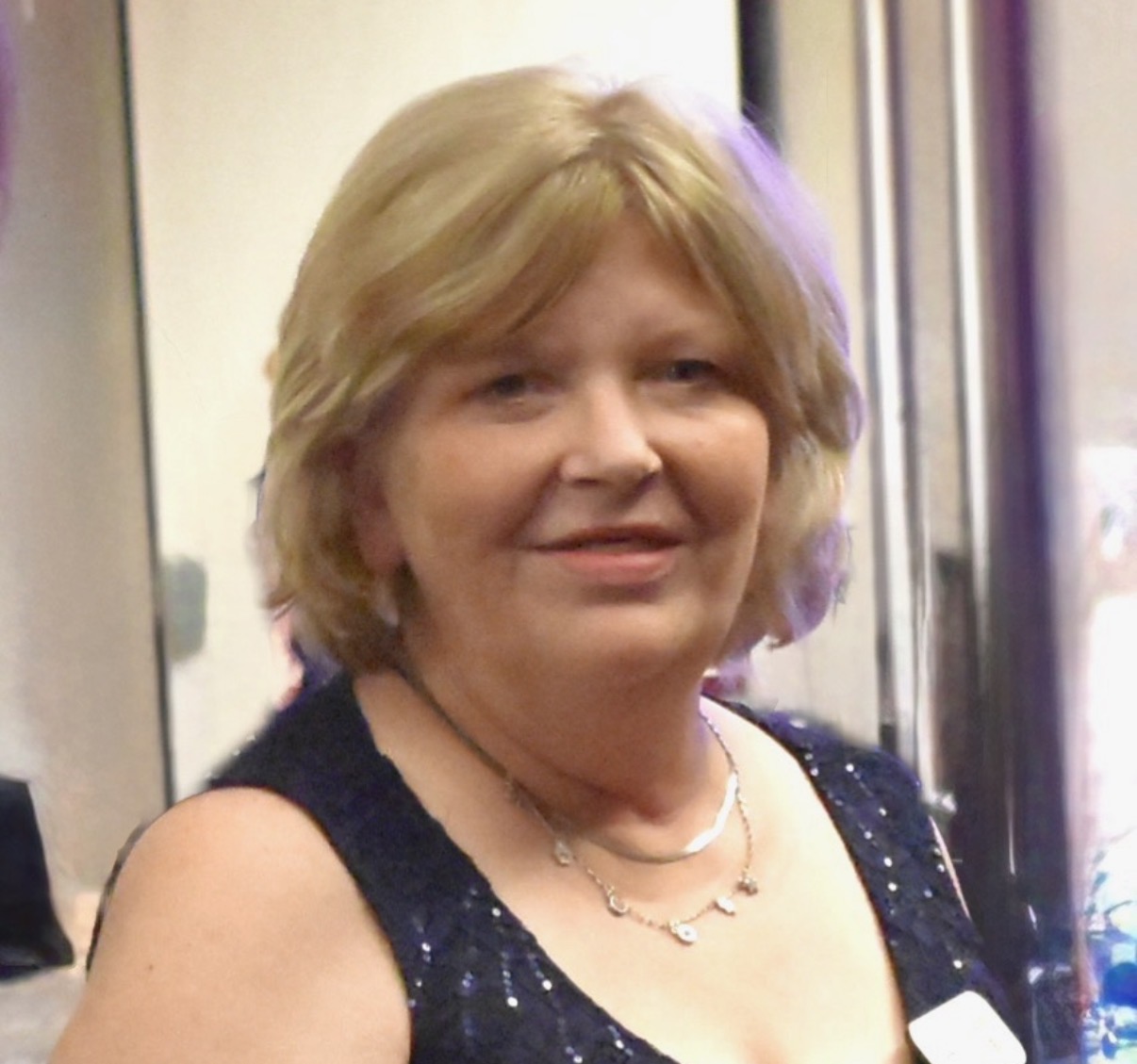
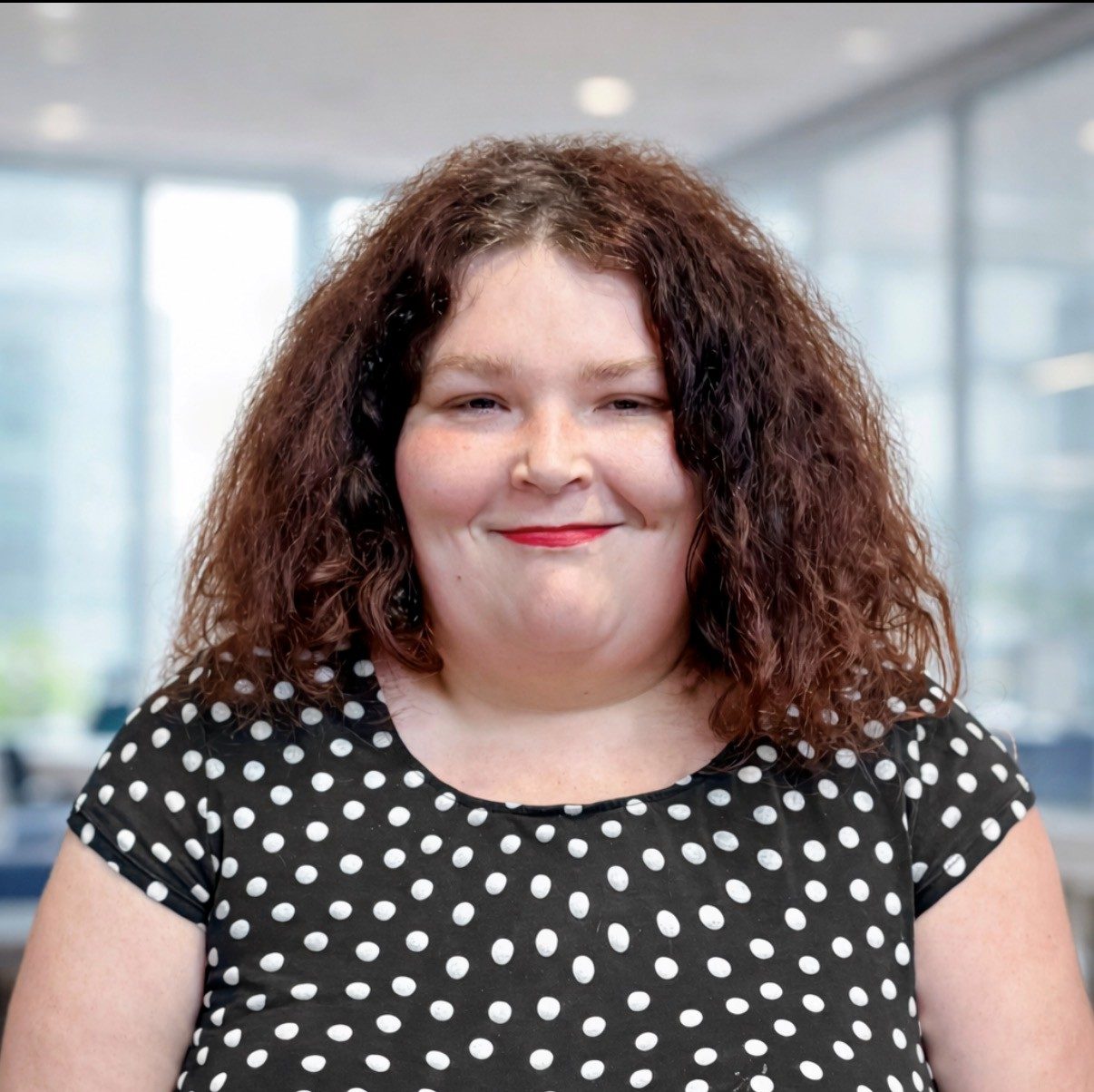
Addressing Non-Belonging in Tech-Savvy Schools | Sydney (Syd) Osborn and Adrian Harries
This session explores the crisis of loneliness and isolation among students and educators, the consequences of non-belonging, and the urgent role schools play in cultivating healthy, authentic connection. Participants will examine how belonging functions as both a protective factor and a powerful social force that can be weaponized through extremist groups, harmful online communities, and unhealthy dependency on digital connection spaces such as AI chatbots.


Nourishing the Family: Supporting Recovery Through Compassionate Conversations About Eating Disorders | Carolyn Schofield and Mia Greco, MS, MPH, RD, LDN
Conversations about eating disorders can feel overwhelming for families, caregivers, educators, and professionals. Many people worry about saying the wrong thing, unintentionally reinforcing disordered behaviors, or creating conflict around food. This presentation will provide practical, evidence-informed strategies for approaching these conversations with empathy, curiosity, and confidence.
Grounded in weight-inclusive, family-centered care, participants will learn how eating disorders affect the entire family system, recognize common communication pitfalls, and develop skills to foster connection while supporting recovery.